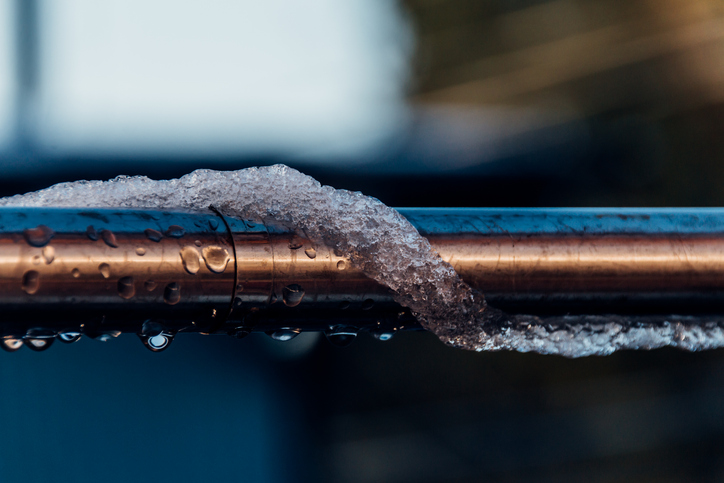
Minnesota winters don’t mess around. One day it’s brisk, the next it’s bitter, and your home’s plumbing feels every degree of that swing. Frozen pipes are one of the most common cold-weather headaches we see across the Twin Cities, and the damage they cause can linger long after the snow melts.
The good news? Most frozen pipes are preventable with a little preparation, some smart habits, and a clear understanding of how your plumbing reacts to extreme cold. Let’s walk through what every Minnesota homeowner should know to keep pipes flowing all winter long.
What Causes Pipes to Freeze in the First Place?
Pipes freeze when the water inside them slows down and drops below 32°F. When water freezes, it expands. That expansion creates pressure inside the pipe, which is what leads to cracks, splits, or full pipe bursts.
Certain conditions make freezing more likely, especially in Minnesota homes:
- Pipes running through unheated spaces like garages, crawl spaces, basements, or exterior walls
- Sudden temperature drops after mild weather
- Poor insulation around plumbing lines
- Long stretches of very cold weather with little water use
Homes with older construction or recent remodels can be especially vulnerable, since plumbing may be routed in ways that aren’t obvious at first glance.
The Biggest Risk for Frozen Pipes: The Thaw
Here’s something many homeowners don’t realize. Pipes usually burst after they thaw, not while they’re frozen. As ice melts and water pressure returns, the weakened section of the pipe gives way. That’s why frozen pipes often lead to unexpected leaks hours or even days later.
Preventing freezing is about protecting your home from both the cold and the costly water damage that can follow.
Frozen Pipe Prevention Tips for Minnesota Homeowners
You don’t need to turn your house into a sauna to protect your plumbing. A few practical steps go a long way.
Insulate Exposed Pipes
Any pipe located near an exterior wall or in an unheated space should be insulated. Foam pipe sleeves are inexpensive and easy to install. They help keep cold air away and retain warmth from surrounding areas.
Seal Up Cold Air Gaps
Look for drafts where plumbing enters the home. Small gaps around foundation penetrations, vents, or sill plates can let in a surprising amount of cold air. A little caulk or spray foam can make a big difference.
Maintain Consistent Indoor Temperatures
Letting your thermostat drop too low at night can increase freezing risk. Even if you’re away, keep the heat set to a steady, safe temperature so pipes aren’t left unprotected.
Disconnect Hoses and Shut Off Exterior Faucets
Outdoor spigots are frequent freeze points. Remove hoses before winter and shut off interior valves if your home has them. Drain any remaining water to avoid trapped ice.
Should I Leave Faucets Dripping in Winter?
This is one of the most common questions we hear, and the short answer is: sometimes, yes.
A slow, steady drip can help prevent freezing by keeping water moving through the pipe. This is especially helpful for fixtures connected to pipes that run through exterior walls or unheated spaces.
A few guidelines:
- Focus on vulnerable fixtures, not every faucet in the house
- A pencil-thin stream is enough, no need for a steady flow
- Both hot and cold lines can benefit, depending on the setup
Dripping isn’t a substitute for insulation or repairs, but during extreme cold, it’s a smart extra layer of protection.
What to Do Before A Deep Freeze Hits
Minnesota weather loves to surprise us, but a little planning makes those cold snaps much less stressful.
- Walk around your home and identify exposed plumbing
- Check basement, garage, and crawl space temperatures
- Make sure heating vents aren’t blocked in areas with pipes
- Know where your main water shutoff is, just in case
If you’ve had freezing issues before, that’s your sign to take extra precautions early.
What to Do If Your Pipes Freeze
Even with the best prep, frozen pipes can still happen. If you turn on a faucet and only a trickle comes out, or nothing at all, you may already be dealing with ice in the line.
Here’s what to do:
- Leave the faucet open to relieve pressure
- Warm the pipe gradually using towels, a hair dryer, or a space heater nearby
- Never use an open flame
- If you see frost, bulging, or cracks, shut off the water and call for help
This is where professional frozen pipe repair becomes important. Thawing the pipe is only part of the job. The real key is checking for damage and making sure it doesn’t happen again.
How Randy’s Helps When Minnesota Winter Hits Hard
At Randy’s Electric & Plumbing, frozen pipe repair isn’t just about getting water flowing again. It’s about understanding why the freeze happened and helping you prevent a repeat.
Our plumbers:
- Safely locate frozen sections of pipe
- Thaw lines without damaging materials
- Inspect for cracks or weak points
- Repair or replace damaged piping
- Offer practical advice tailored to your home
We take the time to explain what we’re seeing and what makes sense for your situation, because nobody likes surprises when it comes to plumbing.
A Neighborly Approach to Winter Plumbing Care
If you’ve ever found yourself wondering how do I stop my pipes from freezing during a January cold snap, you’re not alone. Minnesota winters are tough, but with the right habits and a little support, your plumbing doesn’t have to suffer for it.
The goal isn’t perfection. It’s preparation, awareness, and knowing when to call in a trusted local pro. Taking small steps now can save you from a much bigger headache later.
If you have questions about your home, your pipes, or winter prep in general, Randy’s is always happy to help. We’re neighbors first, problem-solvers second, and we believe peace of mind is just as important as a warm home and flowing water.
Need a Hand Before the Next Cold Snap?
If you’re worried about vulnerable pipes or you’ve dealt with freezing before, let Randy’s take a look and help you get ahead of it. We’ll explain what we’re seeing, recommend practical fixes, and make sure your home is set up to handle Minnesota winter like a champ. Schedule service today and get that peace of mind back—Randy’s is Reliable.