There’s a lot to love about older homes. Solid construction, unique character, and neighborhoods with mature trees and history you can feel. But behind those walls? The electrical system might be telling a different story.
If your home was built a few decades ago, there’s a good chance parts of the wiring weren’t designed for today’s appliances, devices, and daily energy demands. That doesn’t mean something is wrong; it just means it’s worth taking a closer look.
Since May is Electrical Safety Month, it’s a great time to walk through a simple, practical checklist. Whether you’re planning a renovation or just want peace of mind, these electrical safety tips for older homes can help you spot risks early and understand what to do next.
Why Electrical Safety Matters More in Older Homes
Electrical systems aren’t something you see every day, so it’s easy to assume everything is fine until something obvious happens. But many common electrical hazards develop slowly over time.
Older homes often have:
- Outdated wiring materials
- Limited electrical capacity
- Fewer outlets than modern homes need
- Wear and tear on panels, breakers, and connections
The goal isn’t to worry, it’s to stay aware. A quick check now can prevent bigger issues later.
A Practical Electrical Inspection Checklist for Minnesota Homeowners
You don’t need to be an electrician to notice early warning signs. Here’s a homeowner-friendly electrical inspection checklist to walk through your space.
1. Check Your Outlets
Take a look around your home. Do your outlets match modern safety standards?
Watch for:
- Two-prong outlets (no ground)
- Outlets that feel warm to the touch
- Loose plugs that fall out easily
- Missing GFCI outlets in kitchens, bathrooms, or basements
Upgrading outlets is one of the simplest ways to improve safety in an older home.
2. Look At Your Electrical Panel
Your panel is the heart of your system. If it’s outdated, the rest of your home may struggle to keep up.
Signs it’s time for attention:
- Frequently tripped breakers
- A panel that still uses fuses
- Labels that don’t match actual circuits
- Limited space for additional circuits
A panel upgrade can help your home safely handle modern electrical loads.
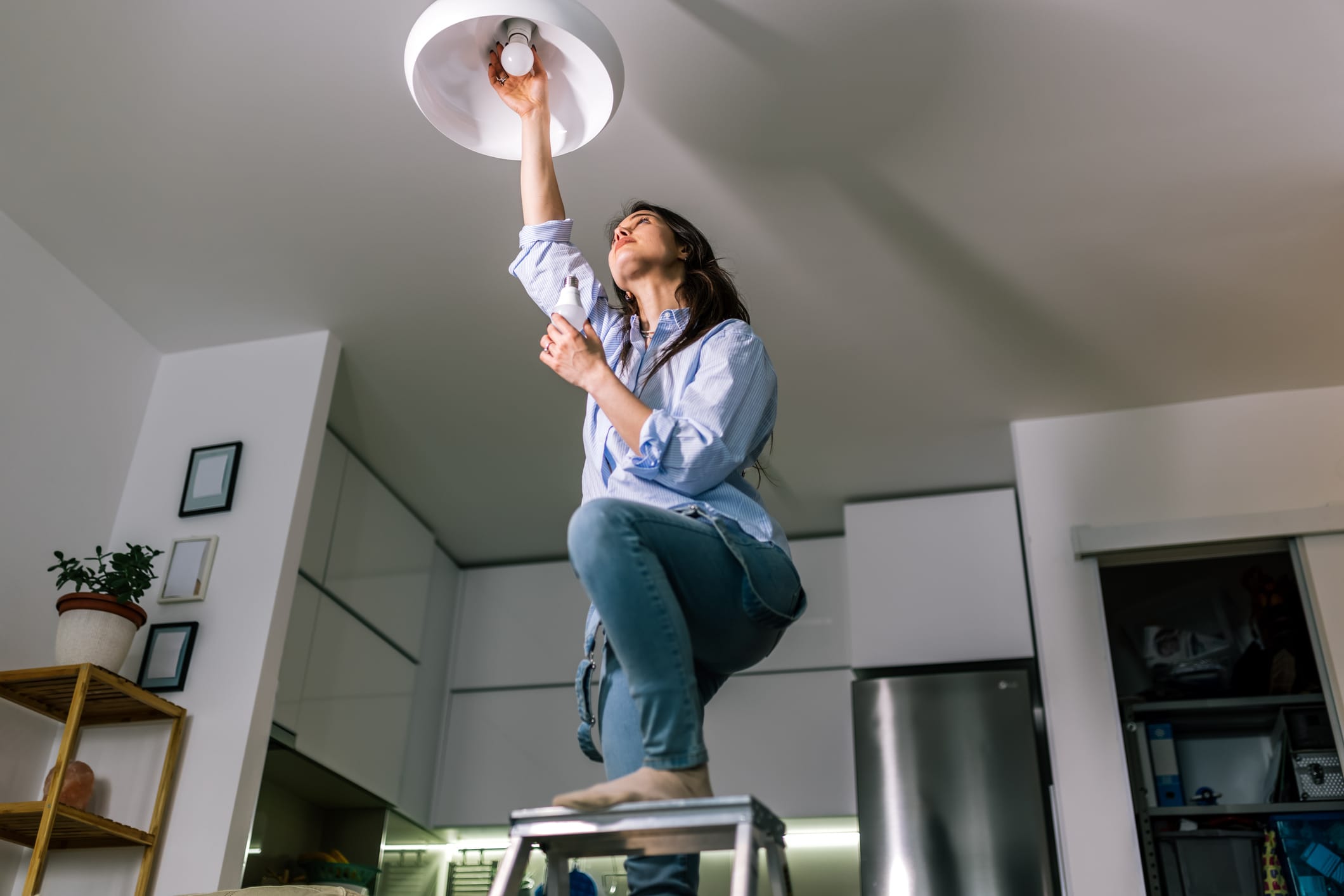
3. Pay Attention To Lights & Switches
Your lights can tell you more than you think.
Keep an eye out for:
- Flickering or dimming lights
- Lights that change brightness when appliances run
- Switches that spark or feel warm
These can point to overloaded circuits or wiring issues behind the walls.
4. Notice Extension Cord Usage
If extension cords are a permanent part of your setup, your home likely needs more outlets.
Common signs:
- Power strips in multiple rooms
- Cords running under rugs or furniture
- Overloaded outlet clusters
Adding outlets reduces fire risk and improves overall safety.
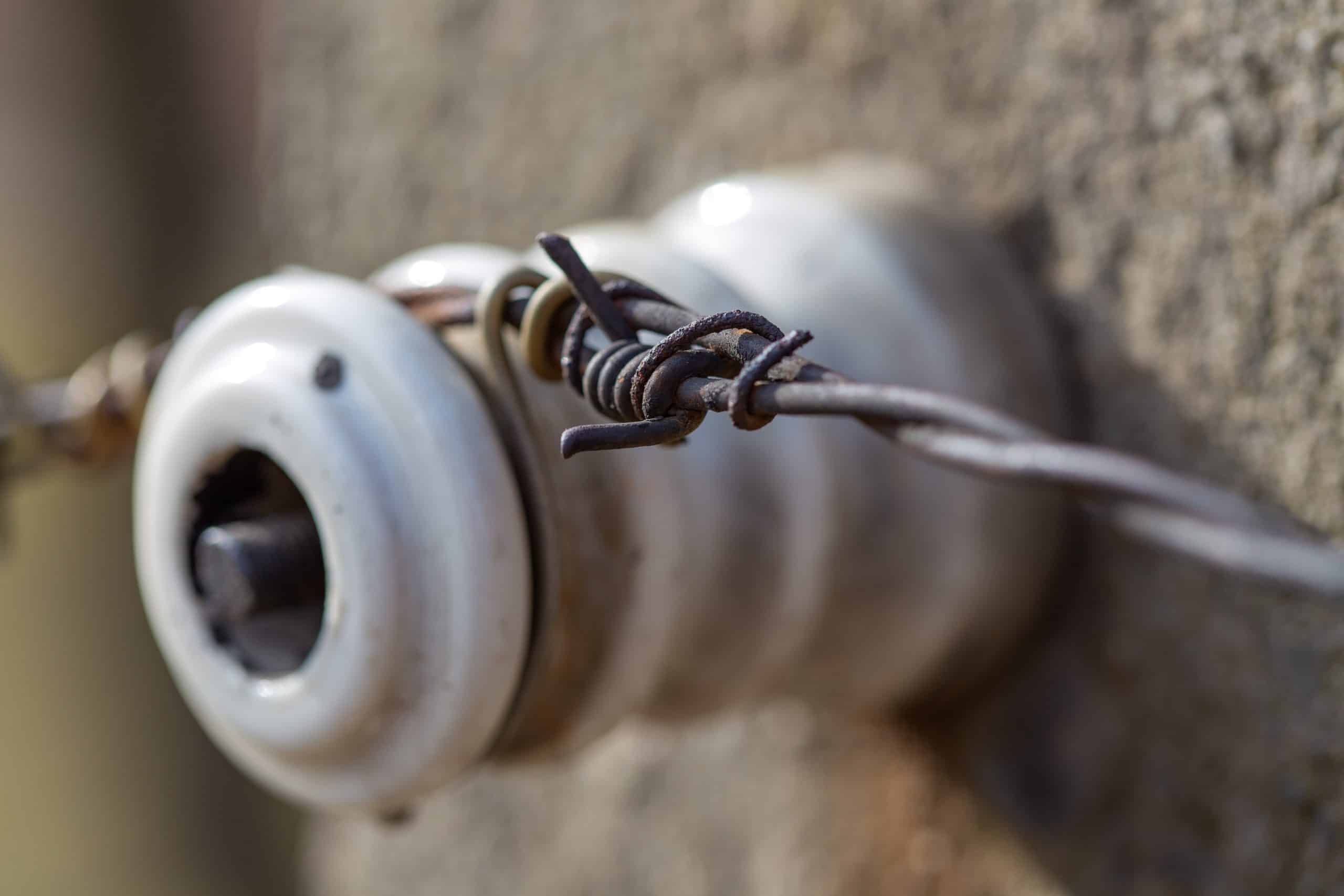
5. Check For Outdated Wiring
Not all wiring is created equal. Some older types don’t meet modern safety standards.
Examples include:
- Knob and tube wiring
- Aluminum wiring
- Cloth-insulated wiring
If your home still has any of these, it doesn’t automatically mean danger—but it does mean it’s worth having a professional evaluation.
6. Test GFCI & AFCI Protection
These safety devices prevent shock and fire.
Make sure:
- GFCI outlets trip and reset properly
- AFCI breakers are installed where needed (especially bedrooms and living areas)
If you’re unsure, this is a great time to have them checked.
How to Make Old Wiring Safer
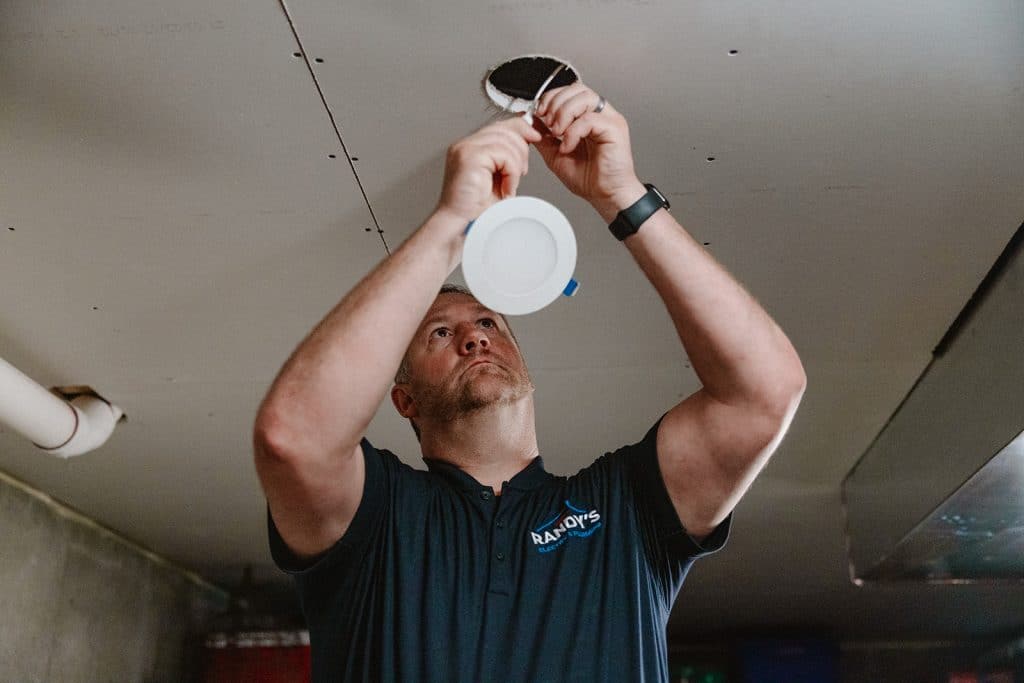
If you spotted a few concerns during your walkthrough, that’s completely normal. Most older homes have at least one or two areas that could use attention.
Making the wiring in your home safer usually involves a combination of targeted upgrades:
- Replacing outdated outlets with grounded or GFCI outlets
- Upgrading the electrical panel to handle modern demand
- Adding circuits to reduce overload
- Replacing or repairing aging wiring
- Installing surge protection to protect electronics
The key is to prioritize improvements based on your home’s condition and your daily use.
What Randy’s Electric & Plumbing Can Help With
This is where having a trusted local electrician makes all the difference.
At Randy’s Electric & Plumbing, we help Minneapolis & St. Paul area homeowners:
- Perform detailed electrical inspections
- Upgrade panels and service capacity
- Replace outdated wiring safely
- Install modern outlets and safety devices
- Add lighting, circuits, and surge protection
We take the time to explain what we’re seeing and what actually matters, so you’re not left guessing or over-upgrading.
Planning Ahead for Renovations or Upgrades
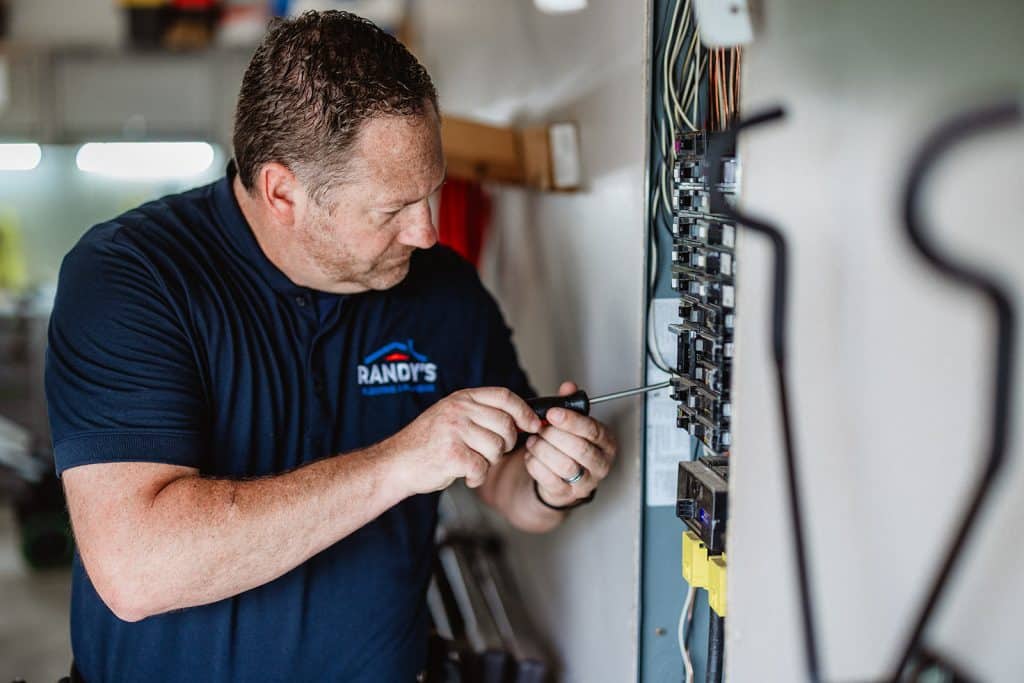
If you’re thinking about remodeling, now is the perfect time to evaluate your electrical system.
Renovations often add:
- New appliances
- Additional lighting
- More outlets and devices
That extra demand can push an older system past its limits.
A pre-renovation electrical inspection guarantees everything is ready to support your plans safely.
A Quick Note for New Minnesota Homeowners
If you recently moved into an older home in Minnesota, welcome! You’ve got something special.
But it’s also a good idea to schedule a professional inspection early on. Even if everything seems to work fine, an expert can spot things that aren’t obvious and help you prioritize updates over time.
It’s not about fixing everything at once. It’s about knowing what you have.
Final Thoughts from Your Local Electrical Specialists
Electrical systems don’t need to be complicated or intimidating. With a simple checklist and a little awareness, you can stay ahead of issues and keep your home safe.
Electrical Safety Month is a great reminder that small steps now can prevent bigger problems later. If something on this list raised a question, that’s a good thing; it means you’re paying attention.
And if you ever want a second opinion or a walkthrough of your home, Randy’s Electric & Plumbing is always here to help. Give us a call at (763) 363-2709 to get started.