

Commercial Electrical Inspections & Code Corrections in the Twin Cities
A commercial electrical inspection is a licensed electrician going through your building’s electrical system in an organized way and telling you, in writing and in plain language, what is safe, what is worn, what is out of code, and what to prioritize.
It is not a sales visit with a clipboard. A good inspection leaves you better informed about your sales floor, kitchen, mechanical room, or tenant suites, with a prioritized list you can plan around rather than a reason to shut things down.
Randy’s Electric & Plumbing has served Twin Cities businesses for 20+ years. We work around your hours where possible and offer same-day service where available, Monday through Saturday.
Request An Inspection

Why Businesses Book A Commercial Electrical Inspection
You are buying or selling a building. A general property inspection notes obvious electrical issues, but it is a broad look at the whole building in a short visit. If the panel is old, the wiring predates your tenant improvements, or a prior buildout was never permitted, it is worth having a licensed electrician assess the electrical system before closing or listing.
You are preparing for a city or fire inspection. Requirements vary by occupancy type and jurisdiction, so it is worth knowing where your building stands before the inspector does.
You took over a space someone else built out, and inherited past electrical decisions without knowing which ones were done correctly.
Your insurer requested documentation. Some carriers want a record of the panel, wiring, and protection in place before they will write or renew a commercial policy.
Something gave you a scare. A burning smell, a spark at an outlet, a warm panel, or breakers tripping on the sales floor or in the kitchen. If that is happening now, do not book an inspection. Call and we will treat it as a repair.
You are planning a buildout or remodel. A new tenant suite, kitchen equipment, added lighting, or an EV charger for customers or fleet vehicles. All of these ask more of the existing service than it may have been sized for, and that is less disruptive to learn during planning than mid-project.
Nobody has looked at the system in years. Reason enough on its own, particularly in an older commercial building or strip mall unit.
What A Commercial Electrical Inspection Actually Covers
A full commercial electrical inspection covers the system from the service entrance to the devices in tenant and common areas.
Preparing For A City, Fire, Or Insurance Inspection
If your building is scheduled for a city or fire department inspection, or your insurer or landlord has requested documentation, it helps to know what they will be looking at before they arrive. Commercial occupancies are reviewed for working panel clearances, accurate circuit labeling, functioning GFCI protection, and emergency and exit lighting that actually operates when tested.
An inspection from us is a disclosure of condition, not a pass-or-fail test, and we never guarantee the outcome of a city, fire, or insurance visit. What we can do is review the same items an inspector will likely check, point out what needs correcting, and tell you which findings are urgent versus which can be scheduled around your business hours.
Panel labeling is the item tenants and property managers most often overlook. A breaker that works is not the same as a breaker that is correctly identified in the directory, and an unlabeled or mislabeled panel is one of the fastest things to flag during a walkthrough.
Two findings come up repeatedly in older Twin Cities commercial buildings: missing or inadequate grounding in spaces that predate current practice, and GFCI protection that is present but no longer trips. Both are electrical work rather than paperwork, and both are more comfortable to address before an inspector or adjuster is standing in the room.
We will tell you which findings genuinely need correction, which are worth addressing because a landlord or buyer will ask, and which can reasonably wait. Booking an inspection before your scheduled visit means fewer surprises on the day.
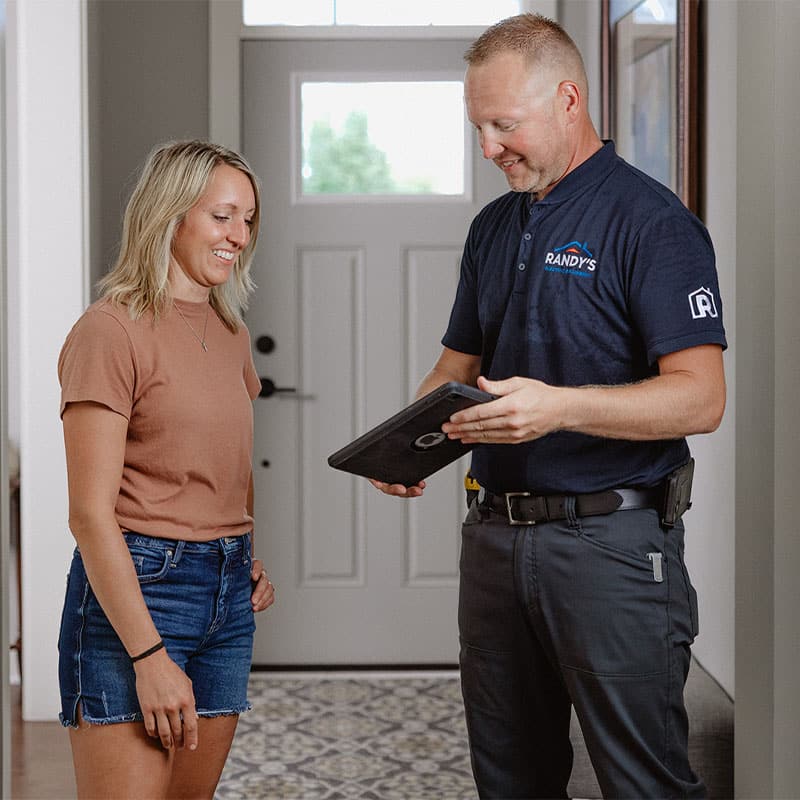
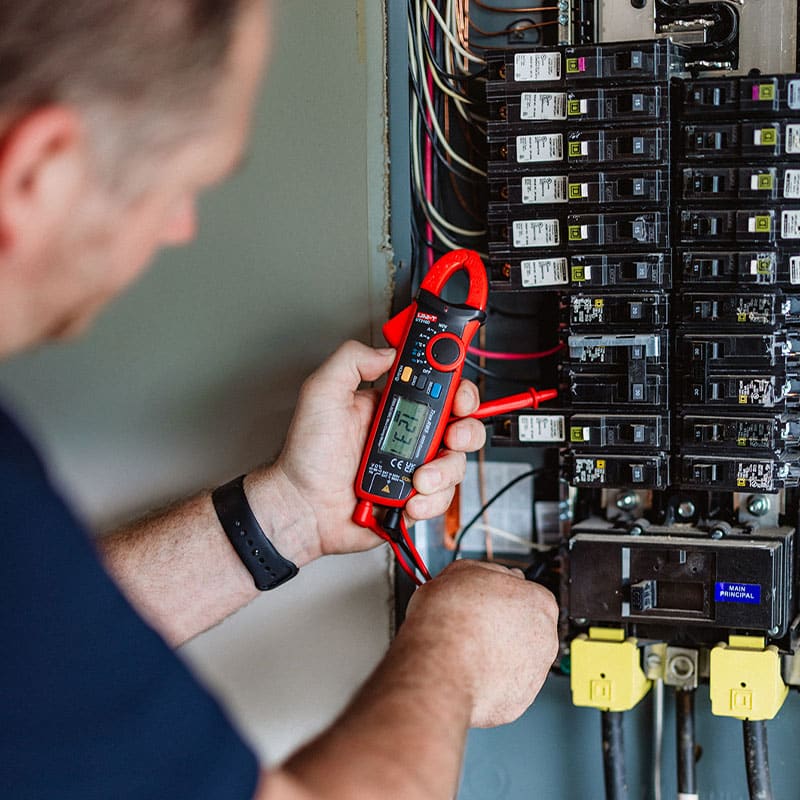
Why findings vary so much from one building to the next
Two commercial buildings a few miles apart can be decades apart electrically. An older storefront that has passed through several tenants may carry a patchwork of circuits added for each new buildout, while a newer flex space built within the last twenty years is usually a question of whether the original service still supports current equipment, lighting, and occupancy. Both are worth reviewing. They produce different findings.
Multi-tenant buildings add another layer: an original electrical system is sometimes divided among several suites over the years, and panel directories do not always keep up with who occupies what space. That is a common source of mislabeled circuits and confusion during an inspection.
Scheduling An Inspection
Call (763) 560-5600 or request service online. Tell us the type of building, what prompted the inspection, and anything you have already noticed. Appointments are available Monday through Saturday, often with same-day service where available.
Randy’s Electric & Plumbing has been family-owned for more than 20 years. We also handle plumbing, so if your building’s electrical system is being reviewed ahead of a sale or inspection, it can be a practical time to have the water heater, supply lines, and drains looked at as well.
Commercial Electrical Inspection FAQs
A commercial electrical inspection is a full review of your building’s electrical system. Exact steps vary by occupancy type, but a typical inspection from Randy’s includes a careful look at:
After the inspection, your electrician explains what was found and helps you understand which items to prioritize for your operation.For a typical single-tenant suite or small retail space, plan on a couple of hours. Larger buildings, properties with multiple panels or tenant spaces, and buildings where much of the wiring predates recent buildouts take longer. We will give you a realistic window when you schedule.
It helps a great deal. Facility staff often know which breaker trips, which outlet is unreliable, or where past work was done, and having someone available means we can walk through the findings on-site rather than leaving a document to interpret alone. Access to panels, mechanical rooms, and back-of-house areas is essential.
You do not need to do very much, but a little preparation can make the visit smoother and reduce disruption to your operation.
Before your inspection, try to:
If something is hard to reach or you are not sure where it is, do not worry. Your Randy’s electrician can help locate it during the visit.Yes. We provide a written report identifying wiring types, service size, panel details, and condition, which is generally what carriers ask for on older commercial buildings. Tell us it is for an insurer when you schedule so the report is written accordingly.
Often, yes. If we find minor issues during a commercial inspection, such as a loose connection at a receptacle, a missing cover plate, or a simple GFCI replacement, we can usually handle those corrections during the same visit if you approve the work.
For larger corrections, such as panel work, rewiring, or added circuits, we will explain what is needed, provide pricing after assessment, and schedule a follow-up appointment around your business hours. Our goal is to address small safety items right away when possible and give you a clear plan for anything that needs more time.
In Twin Cities commercial buildings, we often see a few recurring issues, especially in older retail and office spaces. Common problems include:
Before a pre-purchase or pre-lease electrical inspection, asking a few simple questions can help you stay informed. Helpful questions include:
You can also let us know if you are especially concerned about certain areas, such as a commercial kitchen, a loading dock, or future tenant buildout plans. This helps us tailor the inspection to your building and give clear, practical guidance before you decide.No. A general property inspector covers the whole building and notes obvious electrical concerns. A commercial electrical inspection is a licensed electrician examining only the electrical system, in far more depth, and able to explain and correct what they find.
No. A city or fire inspection is conducted by a municipal inspector and covers requirements specific to your occupancy type. Our inspection is an electrician’s assessment of the electrical system. Property managers and owners often book ours first so there are fewer surprises during the official visit.
That depends on what a city or fire inspector requires for your specific occupancy, and we do not set that list. What we can tell you is which findings are genuine safety issues, which are commonly flagged during official inspections, and which are lower priority. We will walk through our report with you and let you decide how to sequence the work.
Schedule A Commercial Electrical Inspection With Randy’s
Small wiring issues, aging panels, and missing protection are easier to correct before they cause downtime or a failed inspection. A licensed Randy’s electrician can walk through your building’s system, explain what they see, and give you a clear plan for what is next. Schedule a commercial electrical inspection today for your Minneapolis or St. Paul property.
