

Commercial Electrical Preventive Maintenance in the Twin Cities
A preventive maintenance agreement is a licensed electrician going through your building’s electrical system on a set schedule and telling you, in writing, what is holding up, what is wearing down, and what needs attention before it causes a problem.
It is not a sales call disguised as a walkthrough. A good PM visit leaves you with a short, clear report and a plan, not a stack of surprises during business hours.
Our electricians are licensed and background-checked, and Randy’s Electric & Plumbing has served Twin Cities businesses for 20+ years. We build each agreement around your building, your tenants, and how your space operates, so the plan fits the property instead of the other way around.
Request A Consultation

Why Facility Managers Set Up A PM Agreement
You manage more than one building. Chasing down a different vendor for each property wastes time. A single point of contact who already knows your panels and your tenants is worth more than it sounds.
A tenant improvement or remodel left gaps. New buildouts, added equipment, and tenant turnover all add load and circuits that nobody tracked from day one. A standing inspection catches what got missed.
You are responsible for life safety equipment. Exit signs and emergency lighting are easy to forget until an inspector or an insurer asks about them. Scheduled testing means you already know the answer.
Your insurer or lender wants documentation. Some policies and lease agreements call for records showing the electrical system is checked on a regular basis, not just repaired when something fails.
Something has already gone wrong once. A tripped breaker during a busy shift, a flickering sign, a warm panel in the mechanical room. If that is happening right now, do not wait for a maintenance visit. Call and we will treat it as a repair.
You are planning around a busy season. Retail before the holidays, a restaurant before patio season, an office before a lease turnover. Catching loose connections and worn breakers ahead of your busiest stretch is cheaper than an outage in the middle of it.
Nobody has looked at the whole system in years. Reason enough by itself, especially in an older building or a space that has changed tenants several times.
What A Preventive Maintenance Visit Actually Covers
A commercial PM visit works through your system from the main panel to the fixtures your staff and customers see every day.
One Point Of Contact For Every Building You Manage
If you manage a single office suite or a portfolio of retail, restaurant, and warehouse properties across the Twin Cities, keeping track of which building needs what, and when, is its own job. A preventive maintenance agreement with Randy’s Electric & Plumbing gives you one contact who already knows your panels, your tenants, and your priorities, instead of starting over with a new electrician every time something comes up.
We also set up priority response agreements alongside PM plans. If you are enrolled, your service calls move up ahead of general scheduling, so a flickering light in a tenant suite or a tripped breaker on the sales floor gets handled without you having to explain your account history from scratch every time.
Every agreement is built around your building. We talk through how many properties you manage, what equipment and tenants are involved, and what matters most to you, then set terms together rather than handing you a standard package that does not quite fit.
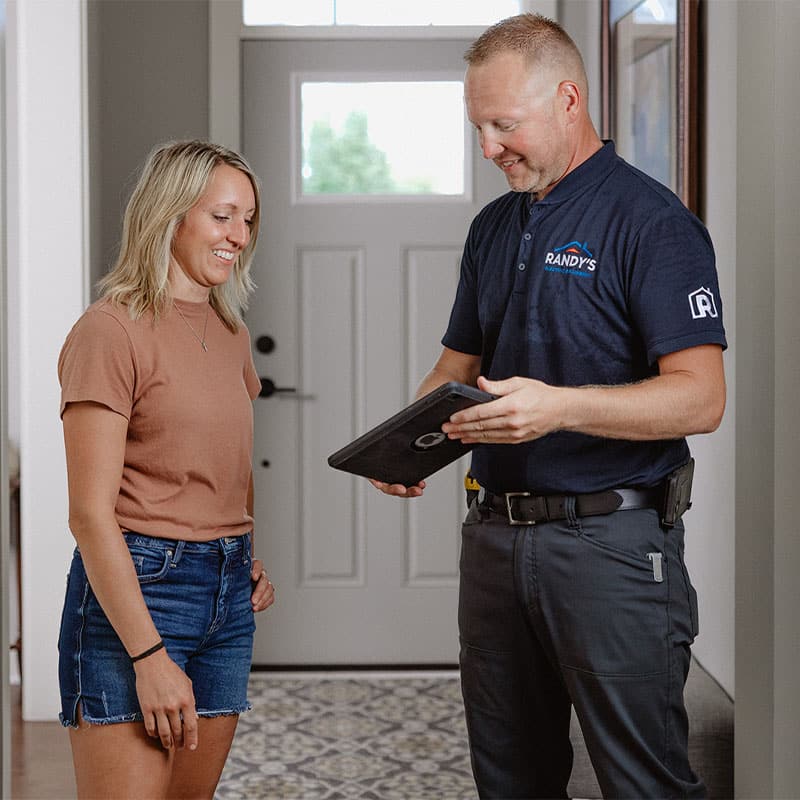
For multi-tenant properties, this also means fewer disruptions. We coordinate around business hours and tenant schedules wherever we can, and we explain what we are doing and why before we start, so staff and customers are not left wondering why someone is in the mechanical room.
Why one building’s plan looks different from another’s
A strip mall built in the 1980s and a converted warehouse now split into flex suites can have almost nothing in common electrically, even if they sit a few miles apart. A retail space with a sales floor, a stockroom, and a single panel needs a different checklist than a restaurant with a kitchen, walk-in coolers, and equipment pulling steady load all day. A multi-tenant office building adds shared panels, individual suite circuits, and common-area lighting that no single tenant is responsible for watching.
That is why we do not start a PM agreement with a form. We walk the building, note what is actually installed, and build a checklist around your equipment, your tenants, and how the space gets used during the day and, where relevant, after hours.
Setting Up An Agreement
Call (763) 560-5600 or reach out through our contact page. Tell us about your building or portfolio, what is already in place, and anything you have noticed recently. We will walk the property, discuss what a maintenance plan should cover, and put the terms in writing together.
Randy’s has been family-owned for 20+ years, serving offices, retail, restaurants, warehouses, clinics, and service businesses throughout the Twin Cities. We also handle commercial plumbing, so if you are coordinating building maintenance, it is a convenient time to bring both under one point of contact.
Commercial Preventive Maintenance FAQs
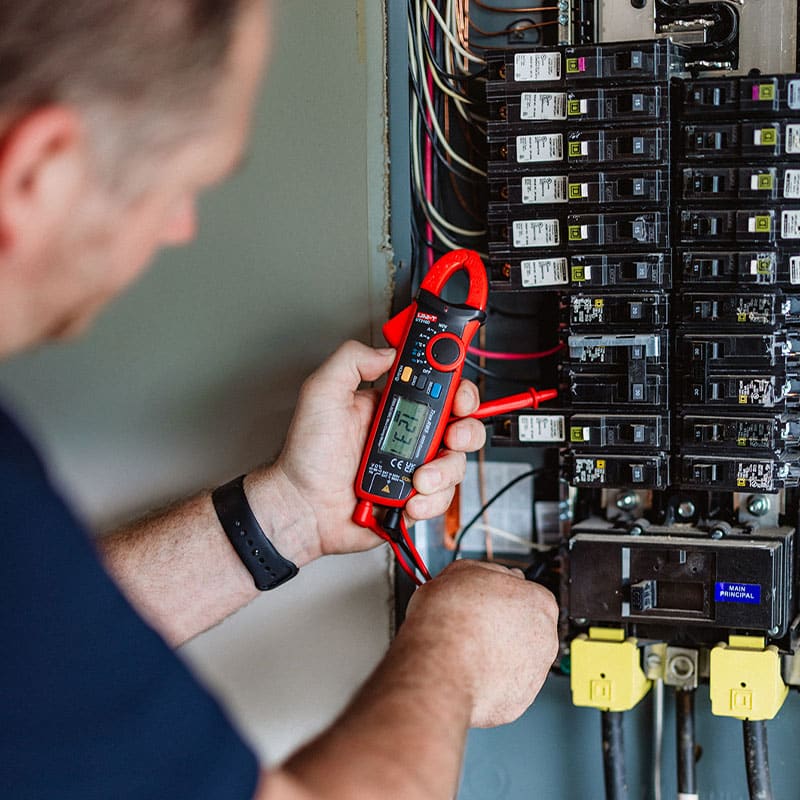
A commercial PM visit is a scheduled checkup of your building’s electrical system. The exact checklist is built around your building, but a typical visit from Randy’s Electric & Plumbing includes a careful look at:
After the visit, your electrician walks through the findings with you and provides a written report you can keep on file.It depends on the size of the building and how many panels and tenant spaces are involved. A single office suite takes less time than a multi-tenant retail center or a warehouse with several electrical rooms. We will give you a realistic window when we schedule the visit.
It helps. A facility manager or maintenance staff member who knows which breaker feeds which suite, or which fixture has been acting up, makes the visit more useful and lets us walk through findings in person rather than leaving you to interpret a report alone. Access to panels, mechanical rooms, and electrical closets is necessary either way.
Not much is required, but a little preparation helps the visit go smoothly.
Before our electrician arrives, try to:
If a panel or space is hard to access, do not worry. Your Randy’s Electric & Plumbing electrician can work with your staff to locate it during the visit.Yes. Each visit produces a written report covering panel condition, connections checked, GFCI and emergency lighting testing, and any findings, which is generally what carriers and lenders ask for on commercial properties. Let us know the report is for an insurer when you set up the agreement so it is written accordingly.
Often, yes. If we find minor issues during a preventive maintenance visit, such as a loose connection, a missing cover plate, or a GFCI that needs replacing, we can usually handle those repairs on the spot if you approve the work.
For larger items, such as panel upgrades or added circuits, we will explain what is needed, provide pricing, and schedule a follow-up visit that works around your business hours. Our goal is to handle small safety items right away when possible and give you a clear plan for anything bigger.
Across Twin Cities offices, retail spaces, and restaurants, we see a few issues come up repeatedly during PM visits. Common findings include:
Before setting up a PM agreement, a few questions help make sure the plan fits your building. Helpful questions include:
You can also mention specific concerns, such as older wiring, recent tenant changes, or upcoming remodels. This helps us tailor the agreement to your property and give practical guidance before you commit.Not quite. A one-time inspection is a single assessment of your system at a point in time. A preventive maintenance agreement is an ongoing relationship built around your building, with scheduled visits, consistent reporting, and priority response built in, so issues are caught on a routine basis rather than only when something breaks.
Yes. Buildings on a preventive maintenance agreement can also set up a priority response arrangement, so service calls are moved ahead of general scheduling. This is particularly useful for property managers juggling multiple buildings and tenants who need issues handled without starting from scratch each time.
Every agreement is different because every building is different. We discuss your property, your equipment, and your priorities, then set the scope and terms together in writing. Nothing is standardized into a one-size package, and any repair work found during a visit is quoted separately before it begins.
Set Up A Preventive Maintenance Agreement With Randy’s
Loose connections, aging panels, and untested exit lighting are easier to address on a schedule than during an outage. A licensed Randy’s Electric & Plumbing electrician can walk your building, explain what they find, and build a maintenance plan around how your space operates. Set up a preventive maintenance agreement today for your Minneapolis or St. Paul property.
