If you have a basement in Minnesota, your sump pump is one of those quiet little heroes you probably don’t think about often. It sits in the lowest part of your home, waits patiently, and steps in when water tries to make itself comfortable where it does not belong.
That’s the hope, anyway.
A working sump pump can help protect your basement during spring thaw, heavy rain, and those classic Minnesota weather swings that seem to arrive with very little warning. But like any hardworking home system, it needs attention now and then. Knowing how it works, how to test it, and when to replace it can save you a lot of stress down the road.
Let’s walk through the basics together.
What Is a Sump Pump?
A sump pump is a device installed in a sump pit, usually in the basement or lowest level of your home. The pit collects water from around your foundation or drainage system. When the water rises to a certain level, the pump turns on and moves that water away from your house through a discharge line.
Said simply, a working sump pump helps keep water out of your basement.
Not every home has one, but they’re common in areas with:
- Basements or lower levels
- High groundwater
- Clay-heavy soil
- Homes near wetlands, lakes, or low-lying areas
- Drain tile systems around the foundation
Across the Twin Cities, we see sump pumps working hard during spring melt, summer storms, and long stretches of wet weather. When they’re working properly, they quietly do their job. When they don’t, homeowners usually find out pretty quickly.
How Does a Sump Pump Work?
The short answer is: it senses rising water and pumps it away from your foundation.
Most sump pumps operate with a float switch. As water fills the sump pit, the float rises. Once it reaches a certain height, the pump turns on. The motor pushes water through a discharge pipe and sends it safely away from the home.
Once the water level drops, the float lowers, and the pump shuts off.
A basic sump pump system includes:
- A sump pit or basin
- A pump motor
- A float switch
- A discharge line
- A check valve to prevent water from flowing backward
Some homes also have a battery backup system, which keeps the pump running if power goes out during a storm. That can be especially helpful since heavy rain and power outages like to show up together.
Why Sump Pumps Matter in Minnesota
Minnesota homes deal with a lot of water movement throughout the year. Snow piles up, then melts. Heavy rains saturate the ground. Freeze-thaw cycles shift soil and affect drainage around foundations.
Your sump pump helps manage that water before it becomes a basement problem.
A dependable sump pump can help:
- Reduce basement moisture
- Protect finished lower levels
- Help prevent water around floor drains
- Support foundation drainage
- Give peace of mind during wet weather
It’s not the flashiest system in your home, but it’s one of the most important if your basement is prone to moisture.
Sump Pump Maintenance Tips Every Homeowner Should Know
A sump pump should not be ignored until the next big rainstorm. A little routine care can go a long way.
Here are a few practical sump pump maintenance tips you can use at home.
Test the Pump Before Rainy Seasons
The best time to test your sump pump is before you need it. Spring thaw and heavy summer rains are good reminders.
To test it:
- Remove the sump pit cover if it has one.
- Slowly pour water into the pit.
- Watch the float rise.
- Make sure the pump turns on.
- Confirm water exits through the discharge line.
- Make sure the pump shuts off once the pit drains.
If the pump does not turn on, drains slowly, or makes unusual noises, it’s time to have it checked.
Keep the Pit Clean
Debris can collect in the sump basin over time. Dirt, gravel, or small objects can interfere with the float switch or clog the pump intake.
A clean pit helps the pump run more smoothly. If you notice mud, buildup, or standing debris, a professional cleaning and inspection may be worthwhile.
Check the Discharge Line
Your sump pump is only helpful if the water has somewhere to go. The discharge line should move water away from your foundation, not right back toward it.
Look for:
- Cracks or leaks in the pipe
- Ice blockage during winter
- Water draining too close to the house
- Dirt or debris blocking the outlet
In colder months, discharge lines can freeze if they aren’t properly positioned. That can cause water to back up into the system.
Listen for Strange Sounds
A sump pump should make some noise when it runs, but grinding, rattling, or loud humming can mean something is wrong.
Noises may point to:
- A failing motor
- A jammed impeller
- Loose parts
- Debris inside the pump
- A worn-out check valve
If it sounds different than usual, don’t ignore it. Your pump may be asking for help in the only way it knows how.
Make Sure the Float Moves Freely
The float switch is what tells your pump when to turn on and off. If it gets stuck, the pump may not activate when water rises. It may also run too long and wear itself out.
During testing, watch the float move. It should rise and fall without catching on the side of the pit, the pump, or any debris.
Signs My Sump Pump Is Failing
Sump pumps usually give warning signs before they stop working completely. Knowing what to watch for can help you avoid a soggy surprise.
Common signs your sump pump is failing include:
- The pump runs constantly
- It does not turn on when water rises
- It turns on and off too frequently
- It makes grinding, rattling, or humming sounds
- Water remains in the pit after the pump runs
- The basement feels damp or musty
- The pump is visibly rusted or worn
- The system is more than 7 to 10 years old
A pump that runs constantly may be undersized, stuck, or dealing with a drainage issue. A pump that short-cycles may have a float problem or an incorrect pit setup.
Either way, it’s worth having a licensed plumber take a look.
When Should I Replace My Sump Pump?
The typical answer is every 7 to 10 years, depending on usage, maintenance, and the conditions around your home.
Some pumps last longer. Some wear out sooner, especially if they run frequently during storms or spring melt.
Replacement may make sense if:
- Your pump is near or past the 10-year mark
- It has needed multiple repairs
- It struggles to keep up during heavy rain
- It runs loudly or inconsistently
- You’ve finished your basement and want better protection
- You don’t have a backup system and want added peace of mind
A newer pump can offer stronger performance, quieter operation, and better reliability. If your current system has been living on borrowed time, replacement may be the more practical choice.
Should You Add a Battery Backup?
A battery backup sump pump is a smart upgrade for many Minnesota homes. It gives your system a second line of defense if power goes out during a storm.
A backup system can help if:
- Your neighborhood loses power during heavy weather
- Your basement is finished
- Your pump runs often
- Your home has a history of water issues
- You travel and want extra protection when you’re away
It’s not required for every home, but it’s one of those upgrades that feels very worthwhile when you need it.
How Randy’s Can Help
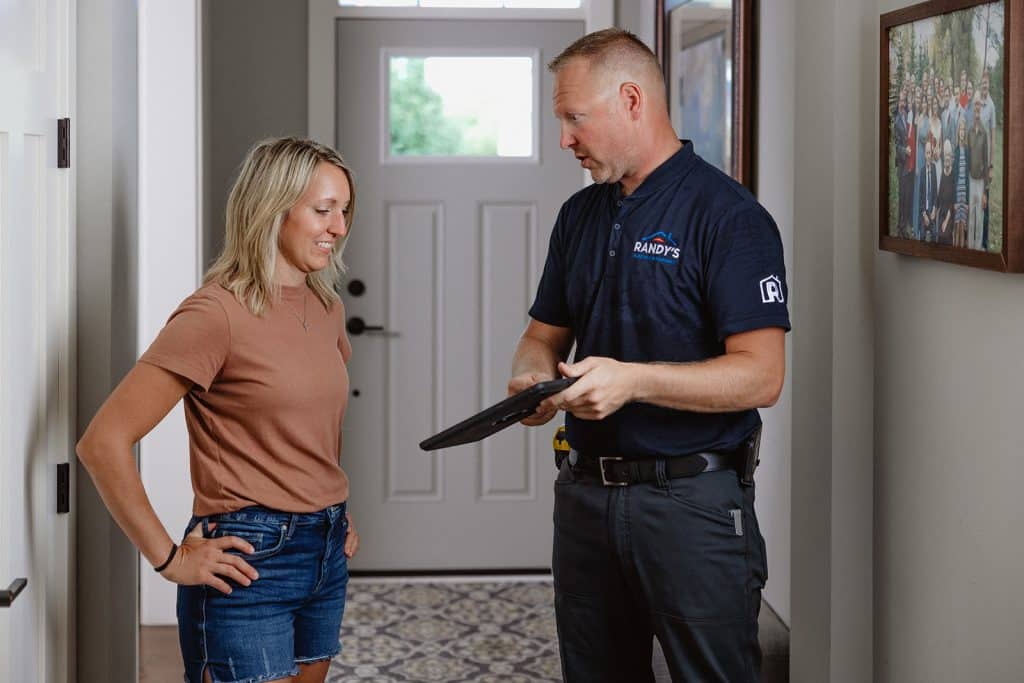
At Randy’s Electric & Plumbing, we inspect, repair, replace, and maintain sump pumps across the Twin Cities. Our plumbers check the pump, float switch, discharge line, pit condition, and overall setup to make sure everything is working as it should.
If your pump needs a repair, we’ll explain what’s going on in plain language. If replacement makes more sense, we’ll help you choose a system that fits your home and water needs.
Randy’s is Reliable, especially when heavy rain is on the way. Our team is ready to protect your basement and keep your home one step ahead of the storm.
Final Thoughts: Don’t Wait for the Storm
Your sump pump is one of your home’s best defenses against unwanted basement water. A few minutes of testing, a little maintenance, and a professional inspection when something seems off can make a big difference.
Before the next heavy rain or spring thaw, take a quick look at your sump pump. Test it. Listen to it. Check the discharge line. If anything feels off, give Randy’s a call.
We’ll help make sure your pump is ready to do its job, so your basement stays dry, and your mind stays at ease.
Keep Your Basement Dry with Reliable Sump Pump Service
Don’t wait until the next heavy rain or spring thaw to find out your sump pump needs attention. Randy’s Electric & Plumbing can inspect your system, test your pump, repair worn components, and replace aging units before they leave your basement vulnerable.
We also help with related plumbing and home protection services, including drain cleaning, leak detection, water heater service, and electrical support for backup power solutions. Randy’s is Reliable, and we’re here to help your home stay dry, safe, and ready for whatever Minnesota weather brings next. Give us a call today!