The 411 on Knob & Tube Wiring in Minnesota
- Knob and tube wiring is an early electrical system, identifiable by ceramic knobs and tubes, used in most homes built before the 1950s.
- Yes, plenty of Minnesota homes, especially older ones in Minneapolis and St. Paul, still have it behind their walls.
- It can be dangerous. There’s no grounding, the insulation grows brittle with age, and it wasn’t built for today’s electrical loads.
- Whole-house replacement typically runs $12,000 to $36,000, depending on your home’s size and how accessible the wiring is.
- Many insurers won’t cover a home with active knob and tube, which is often the deciding factor for homeowners who replace it.
If you’ve bought an older home in the Twin Cities, there’s a decent chance you’ve heard the phrase “knob and tube” from an inspector or an insurance agent, usually with more urgency than explanation.
So let’s slow down and cover it properly: what it is, why it’s still so common here, and what’s involved if you decide to replace it.
What Is Knob & Tube Wiring?
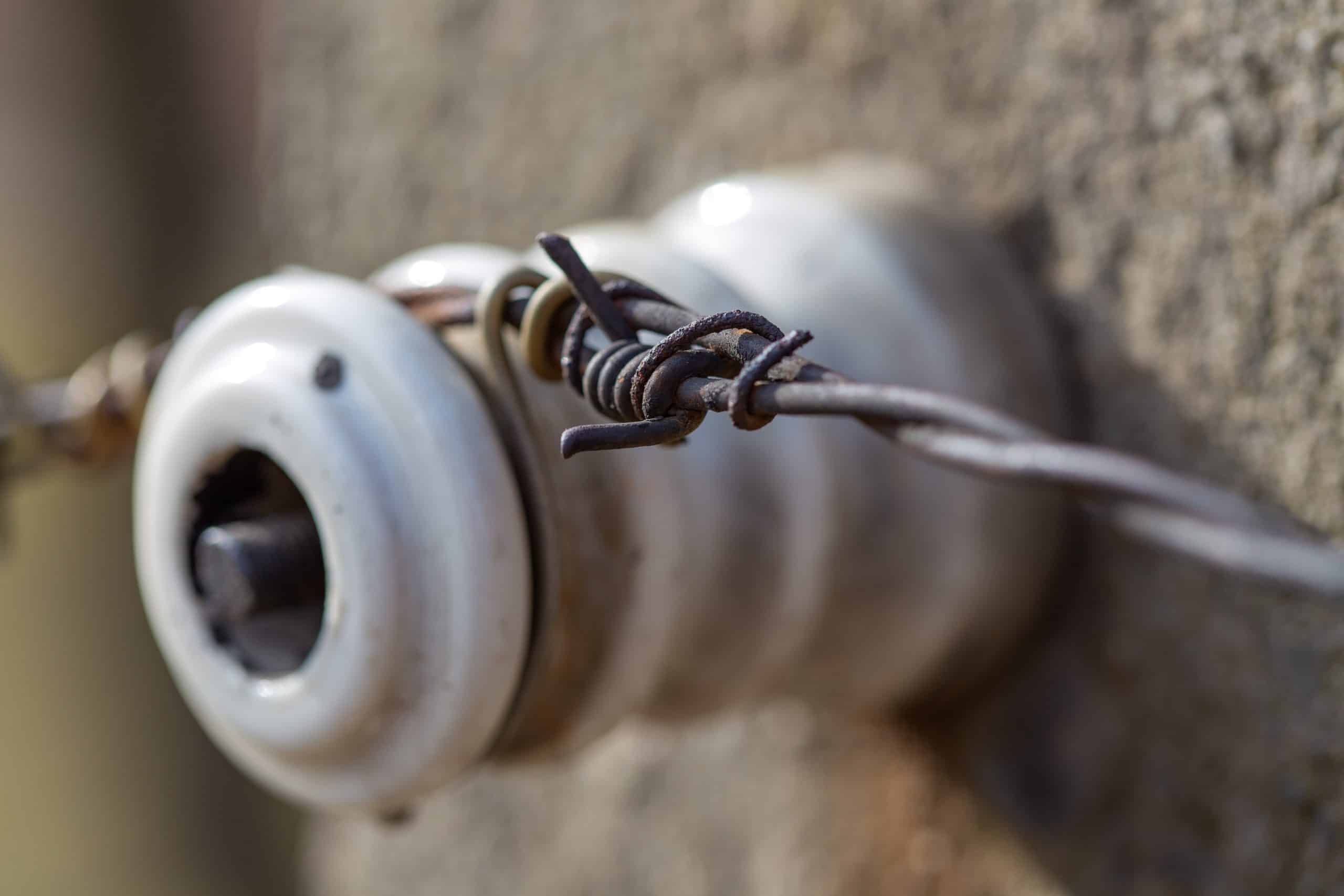
Knob and tube wiring is one of the earliest standardized electrical systems, used in homes from roughly the 1880s through the 1950s. The name comes from its parts: ceramic knobs anchor the wires to framing, and ceramic tubes protect them where they pass through joists and studs.
Instead of the sheathed cable you’d find in a modern wall, knob and tube runs as two separate wires, hot and neutral, exposed and open to the air by design. The design wasn’t careless; it suited the low-demand homes of its era. The problem is what came after it.
Do Minnesota Homes Still Have Knob & Tube Wiring?
According to the Center for Energy and Environment, knob and tube remains a regular find in the region’s older housing stock. Minneapolis and St. Paul are full of houses built well before the 1950s, many of which were never fully rewired, just added onto over the decades.
If your house was built before 1950 and you haven’t had a full electrical update, there’s a real chance it’s still there, tucked into the attic or basement joists where it’s easy to miss.
Is Knob & Tube Wiring Dangerous?
It can be, and the reasons come down to what the system was never designed to handle.
No grounding. Knob and tube predates grounded, three-prong outlets. Without a ground path, a fault has nowhere safe to go.
Aging insulation. The cloth or rubber insulation covering these wires grows brittle with age, and once it cracks, the bare wire underneath is exposed.
Not built for modern loads. A 1930s home wasn’t wired for a microwave, a space heater, and a home office running at once. Overload it, and the wires can overheat.
Moisture sensitivity. Kitchens, bathrooms, and basements are especially rough on knob and tube, since it was never designed with moisture protection.
None of this means every system is a ticking time bomb; plenty have sat quietly for decades. But the risk climbs with age, and it’s worth having a licensed electrician look at what’s actually behind your walls.
The Insurance Problem with Knob & Tube Wiring
Even homeowners who aren’t worried about the wiring itself often get pushed toward replacement by their insurance company. Many insurers won’t write a new policy on a home with active knob and tube, and some won’t renew an existing one until it’s replaced. Mortgage lenders can raise the same issue during a sale, making this one of the more common reasons homeowners finally make the call.
How Much Does Knob & Tube Wiring Replacement Cost?
A full rewire typically starts around $12,000, depending on your home’s size, how accessible the wiring is, and whether your panel needs an upgrade, too. Homes with an open basement or attic tend to cost less than those with plaster walls and no easy access, since more of the job means opening up walls to reach the old wiring.
Because that range is wide, a quote from an in-person assessment beats any number found online.
What to Expect During a Home Rewiring Project
A knob and tube replacement is a serious project, usually taking a few days to a couple of weeks, depending on your home’s size. It typically involves pulling permits, removing the old wiring, running new grounded circuits, and patching access points along the way. Most homeowners can stay in the house while it happens, and a good electrician keeps cuts small and cleanup tight each day.
How Randy’s Can Help with Knob & Tube Wiring

Our licensed electricians work on older homes across Minneapolis, St. Paul, and the Twin Cities regularly, and knob and tube is a system we know well. We start with an electrical inspection to see what’s behind your walls, then walk you through your options in plain language. From there, our knob and tube replacement service covers the old wiring and, if needed, a panel upgrade, with upfront pricing so you know the cost before we start.
The Real Cost of Waiting
Knob and tube wiring doesn’t fail all at once; it ages quietly, which is why so many homeowners put off dealing with it. But the risks and the insurance headaches only grow the longer it stays in place.
If you’re not sure what’s behind your walls, that’s worth finding out. Randy’s is Reliable, and a straight answer now beats a surprise later.
Find Out What’s Behind Your Walls
If your home was built before 1950, there’s a good chance knob and tube wiring is part of the picture. Our licensed electricians can inspect your system, explain what you’re working with, and lay out your options with honest, upfront pricing. Schedule your knob and tube inspection today and get a clear answer on what’s behind your walls.