A lukewarm shower feels especially unwelcome during a Minnesota cold snap. If your hot water runs out faster than it used to, winter demand may be part of the problem, but a worn component or leaking tank could also be involved.
Here is how to recognize common water heater issues, check a few things safely, and understand what goes into a repair-or-replace recommendation.
The Quick Answer
Water heater repair may make sense when the problem is an isolated, serviceable component and the rest of the unit is in sound condition. Replacement is often the practical direction for a confirmed leaking storage tank, significant deterioration, or repeated failures. Colder incoming water can reduce winter performance without meaning your heater has failed, so a technician needs to identify the cause before recommending either option.
Why Minnesota Winters Make Hot Water Harder to Deliver
Your water heater must raise incoming water to its operating temperature. When that incoming water is colder, the heater has more work to do, even if your thermostat setting and shower habits have not changed.
A storage-tank heater may need longer to recover after heavy use. A tankless heater has a maximum heating capacity, so colder incoming water can reduce how much hot water it delivers per minute at your selected temperature.
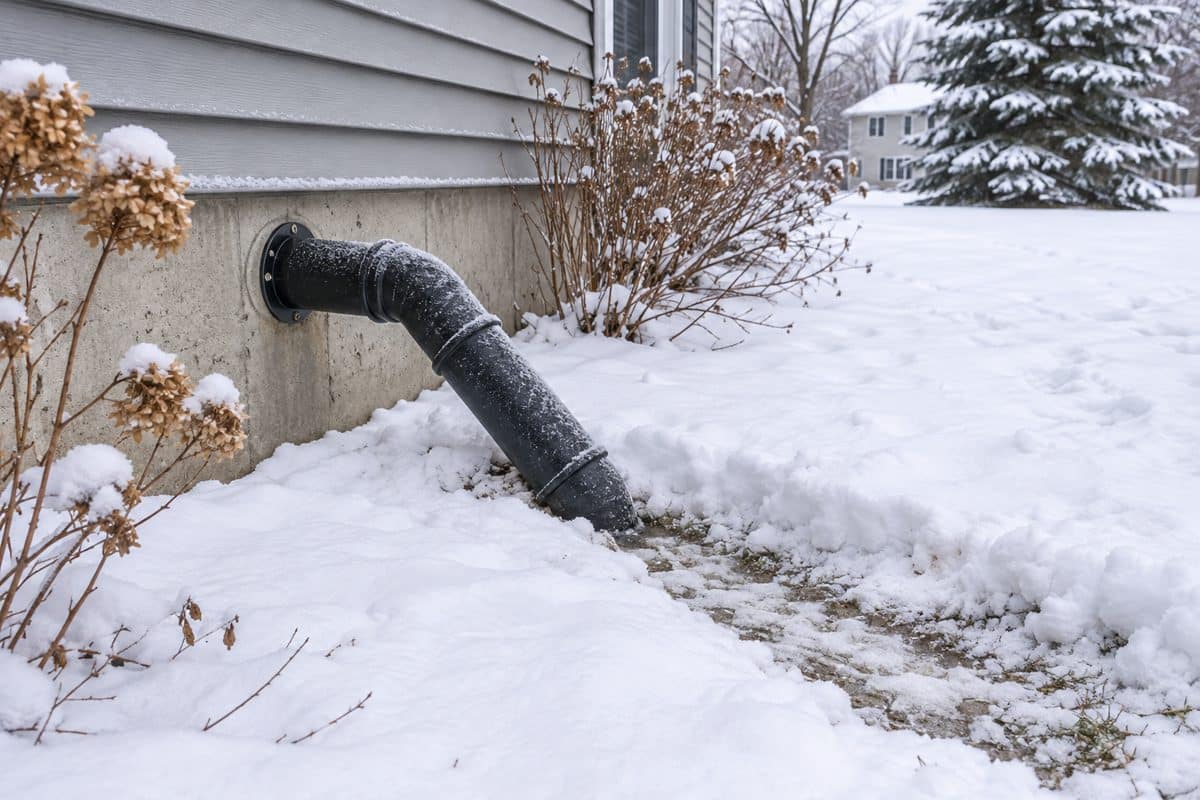
Sub-zero cold snaps also put pipes and equipment in unheated spaces at risk. Snow and ice can obstruct accessible exterior intake or exhaust openings, while a frozen supply pipe can restrict flow. Wind chill does not make an indoor tank colder than the surrounding air, but drafts and poorly protected spaces can contribute to freezing conditions.
Signs Your Water Heater Needs Attention
Lukewarm Water or Shorter Showers
If several showers and laundry loads happen close together, your household may temporarily exceed the heater’s capacity. Persistent lukewarm water can also point to a heating element, thermostat, burner, mixing valve, or other problem that needs testing.
Notice whether every fixture is affected. A single lukewarm shower may have a fixture-specific mixing issue rather than a problem at the water heater.
Rumbling, Popping, or New Noises
Rumbling or popping in a storage heater can be associated with sediment buildup. Noise alone does not establish the cause or mean the tank needs replacement, but a new or worsening sound is worth discussing with a plumber.
Do not start draining an older, neglected tank as a troubleshooting experiment. Hot water can scald, and an aging drain valve may not seal again.
Rusty or Discolored Hot Water
Discoloration may come from tank corrosion, piping, or the incoming water supply. Compare the cold and hot water at more than one fixture, and tell your technician what you notice.
In early-1900s Minneapolis and St. Paul homes, older galvanized piping can complicate the picture. Rust-colored water does not, by itself, prove the heater is the source.
Water Around the Base
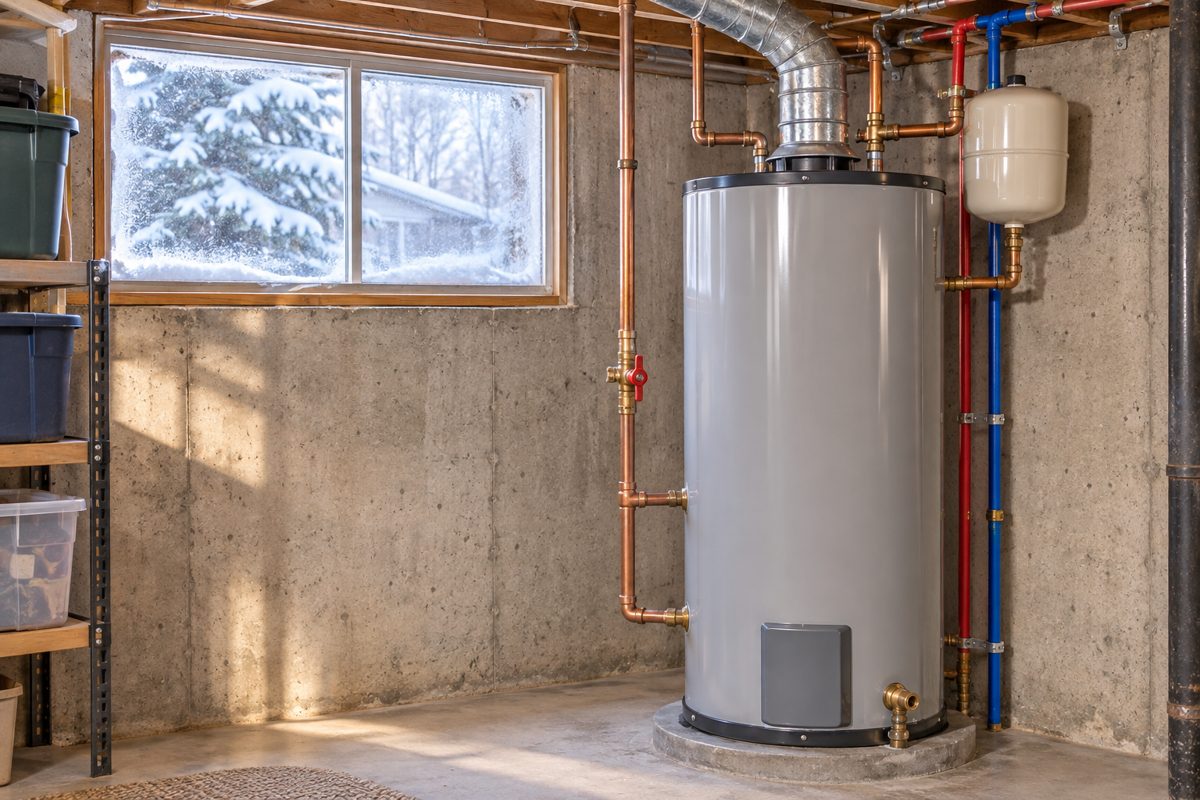
A puddle might originate at a nearby pipe, fitting, drain valve, relief-valve discharge, or the tank itself. Condensation can sometimes look like a leak, too, so the source matters.
A confirmed leak through the storage tank generally calls for replacement rather than a patch. Never plug or cap a temperature-and-pressure relief valve or its discharge pipe.
Pilot, Ignition, or Error-Code Trouble
A pilot that will not stay lit, repeated ignition attempts, or a tankless error code needs professional evaluation. Possible causes include ignition components, gas supply, venting, condensate drainage, or controls.
Do not repeatedly relight the pilot or clear an error without understanding its cause. Record the displayed code for the technician instead of opening the cabinet.
Age and Repeat Repairs
The manufacturing date, maintenance history, warranty coverage, and pattern of breakdowns all help put a new problem in context. Age is a consideration, not a diagnosis.
A newer heater with one failed component may be a different decision from an older unit with corrosion and recurring service needs. Find the model and serial number on the exterior label if you can reach it safely.
What You Can Safely Check Before Calling
You do not need to take anything apart to gather useful information. Keep your checks to accessible, dry areas, and leave gas, electrical, and internal plumbing work to a licensed professional.
- Compare fixtures: Note whether the problem affects the whole house or only one faucet or shower.
- Review recent demand: Consider back-to-back showers, guests, laundry, and dishwasher use.
- Look without touching: Note visible moisture, staining, corrosion, or a displayed error code.
- Observe exterior vent openings from the ground: Report visible snow or ice blockage. Do not climb, dismantle venting, or chip ice from equipment.
- Keep the area clear: Move stored items away without touching hot pipes or disturbing gas lines and vent connections.
If water is actively leaking, shut off your home’s main water valve if you can reach it safely, and request plumbing help. Do not step into standing water or touch wet electrical equipment. Leave temperature adjustments, flushing, descaling, and component testing to a licensed plumber; turning up the temperature can increase scald risk without fixing the underlying problem.
If you smell gas, leave the home without operating switches, appliances, or phones inside. From outside and away from the building, call your gas utility’s emergency number or 911. If a carbon monoxide alarm sounds, get everyone outside and call 911.
How a Technician Weighs Repair Against Replacement
A useful recommendation starts with finding the failure, not choosing a new heater in advance. During a water heater repair evaluation, a technician can assess the unit’s condition, test relevant components, and check installation concerns that could affect safe operation.
- What failed: A serviceable control or heating component differs from a leaking tank.
- Overall condition: Corrosion, scale, past leaks, and maintenance history influence the recommendation.
- Repair practicality: Parts availability, warranty coverage, and the extent of work matter.
- Household demand: A functioning but undersized heater may still struggle with your schedule.
- Installation needs: Venting, fuel supply, electrical capacity, drainage, and applicable permit requirements need review.
Ask what the proposed repair addresses and whether other significant concerns remain. If replacement is worth considering, compare the scope of the repair with a water heater replacement, including any installation changes. Neither the symptoms nor the unit’s age can promise an outcome before inspection.
Should You Choose a Tank or Tankless Water Heater?
A storage-tank heater keeps a supply of hot water ready, with performance shaped by tank capacity and recovery rate. A tankless unit heats water as it flows, but simultaneous demand and Minnesota’s cold incoming water still affect sizing.
Changing to tankless may require gas-line, venting, electrical, or condensate-drain changes. A tankless water heater evaluation should account for winter conditions and the fixtures you expect to use together, not just the number of people in your home.
Neither design is right for every household. Our tank vs. tankless water heater guide explains the differences so you can discuss capacity, maintenance, and installation requirements with clearer expectations.
Need Help with Winter Water Heater Trouble?
At Randy’s Electric & Plumbing, our licensed and insured team helps homeowners in Minneapolis, St. Paul, and the Twin Cities metro understand their water heater concerns and available next steps. Book water heater service so we can evaluate the problem and discuss repair or replacement with upfront, project-based pricing and no hidden fees.
Prefer to talk it through? Call (763) 560-5600.
Frequently Asked Questions
Colder supply water takes more energy to heat, which can lengthen a tank heater’s recovery time. Closely spaced showers and appliance use can make that more noticeable. If the change is sudden or happens even with light use, have a plumber check for a fault.
If the tank itself has developed a leak, replacement is generally necessary. Water near the bottom can also travel from a connection or valve, so a plumber should locate its origin before recommending work. Avoid standing water near electrical equipment.
Sometimes, depending on the source of the sound and the condition of the heater. Sediment may contribute to rumbling, but noise is not enough to determine whether maintenance, a component repair, or replacement is appropriate. Avoid draining a hot or neglected tank yourself.
Gas tankless heaters typically need electricity for controls, ignition, and other components, but a dedicated circuit is not a universal requirement for every model. A licensed professional should check the manufacturer’s instructions, electrical load, and applicable local requirements. Do not assume an existing nearby outlet is suitable.
Look for a licensed and insured provider that evaluates the cause before recommending repair or replacement. Ask how pricing is presented and whether the evaluation includes relevant venting, supply, and installation concerns. Share the heater’s model, approximate age, symptoms, and any visible error code when arranging service.